Favorite Books and Lessons From 2025
See you in 2026!
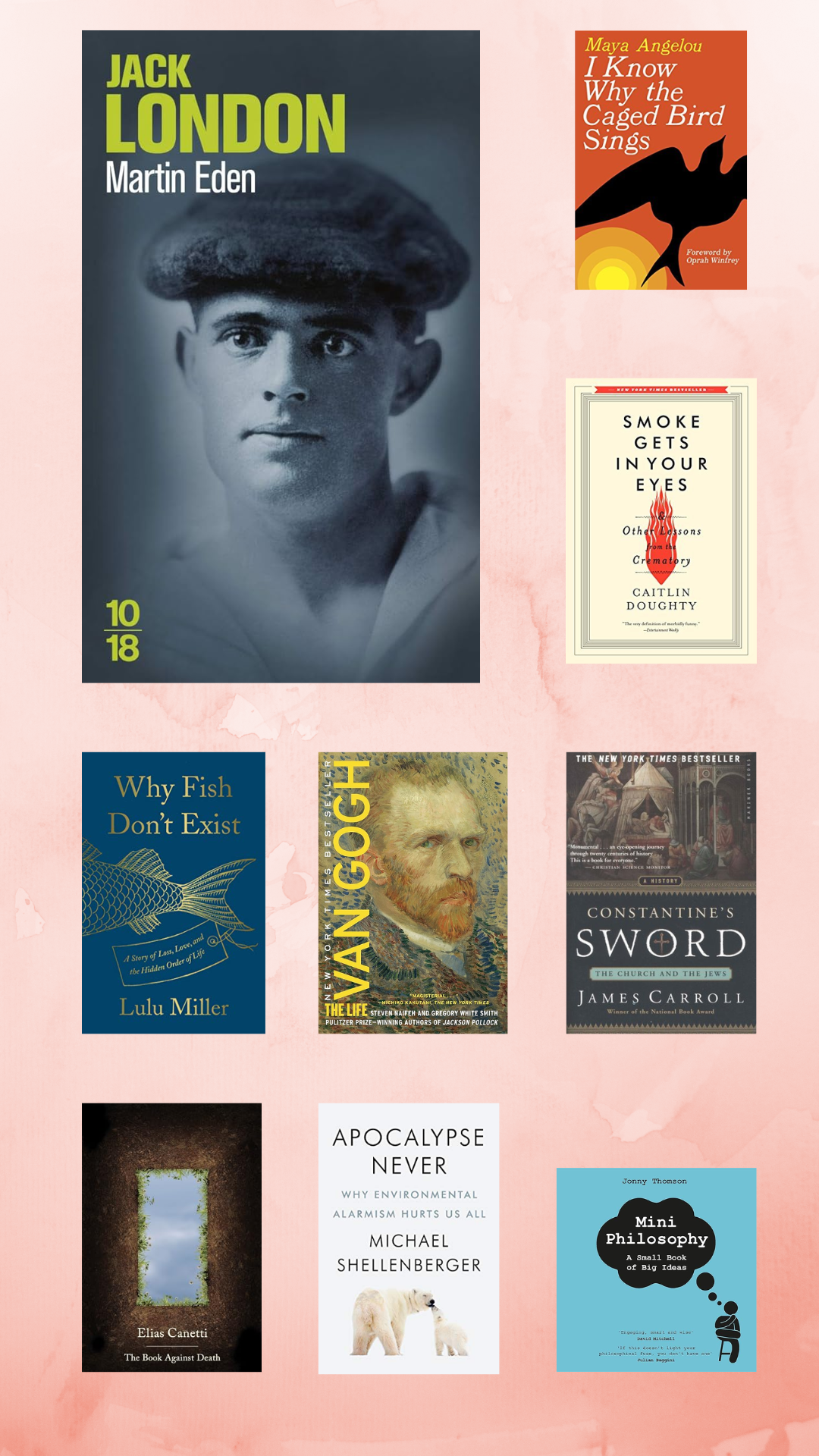
I decided to review my favorite books this year in this newsletter from a qualitative and personal library quantitative perspective.
Qualitative features include the question or perspective I had going into the book, and what question I think the book actually answers after I finished it.
Personal library quantitative features include how many highlights I took from the book and the average length of each highlight.
As a general rule, books I like a lot mean a higher overall number of highlights. Highlighting is a signal of resonance. The character/word length of the highlight usually points to the writing skill and style of the author. Longer highlights mean that the author tends to use a lot of words to say a "highlightable" chunk and shorter averages mean an author is more pithy.
Both qualitative and personal library quantitative are critical to making a book memorable and useful to comprehension and integration with life.
As these nine books below already climbed to the top of the heap of my 60 books read this year, they will do well in both qualitative and personal library quantitive.
Martin Eden
Jack London, 1909
(Qualitative) Perspective Before Reading
I came to this book from it being mentioned in another one of my favorite books this year, Lost in Thought by Zena Hitz.
This year, I set out to read books about "the life of the mind", and I've read a number of them, including Vita Contemplativa by Byung-Chul Han, Think Least of Death by Steven Nadler, Confessions by St. Augustine, Why Read by Mark Edmundson, Labyrinths by Jorge Luis Borges, and Aesthetics by Dietrich Von Hildenbrand.
By far, Martin Eden sunk the deepest into my psyche.
(Qualitative) What Question Does This Book Actually Answer?
Who are you reading that book for? Is acquiring knowledge a thing that we do because we are genuinely curious, or is it just to impress for sex or status? What happens to you when you become famous for work performed? What happens to you when you become the eyes that the world sees through from?
A book about a man who was an intellectual powerhouse before he even knew it. How he was cowed into expressing that intellectual rigor to impress a wealthy girl, only to find out how shallow her life and the life of the people around her were. A look into the life of the intellectual career vs. the blue-collar work of laundrymen or working on ships, and how to win status in low-class society through fighting and raw bravado strength vs. the opaque nature of "who you know" conversation in high-class society.
(Personal Library Quantitative) Total Number of Highlights
154
(Personal Library Quantitative) Length of the Average Highlight
1014 characters (~202 words)
Most Common Words Highlighted
- martin: 107
- himself: 57
- eyes: 52
I Know Why the Caged Bird Sings
Maya Angelou, 1969
(Qualitative) Perspective Before Reading
Many of the books that end up on my bookshelf are of the white male writer varietal (I read a lot of philosophy and computer related books). I've heard praise of Maya Angelou and her writing skills, and in an attempt to diversify my author base, I picked this book up.
(Qualitative) What Question Does This Book Actually Answer?
Hurt during your childhood can come from a million different places at once: your parents, your racist ass town, the dynamics of your own people, your relationship to religion, your siblings, your impulsiveness, and a million other options. How can you manage that pain? And better yet, how can you write about it in a way that the rest of the world feels your pain as it really was?
There are so many vignettes in this book that are hard to explain concisely. Maya Angelou's direct form of writing describing horrific events, such as rape or institutionalized racism at a child's graduation, selective mutism, or childhood pregnancy, feels like a punch in the chest each time. She doesn't hold back. She doesn't seek to comfort the reader, but she also doesn't embellish or hyperbolize.
(Personal Library Quantitative) Total Number of Highlights
152
(Personal Library Quantitative) Length of the Average Highlight
1482 characters (~296 words)
Most Common Words Highlighted
- bailey: 137
- didnt: 107
- momma: 106
Smoke Gets In Your Eyes
& Other Lessons From the Crematory
Caitlin Doughty, 2014
(Qualitative) Perspective Before Reading
I came to this book for a similar reason to Denial of Death by Ernst Becker and The Book Against Death (below). I think I just like reading about death. Keep your enemies close, and all that.
(Qualitative) What Question Does This Book Actually Answer?
Why is our relationship to death so sterile? And why is it ruining our ability to grapple with our own mortalities? Are we robbing the dignity of our pre-deceased relatives and friends by turning burials into a commercialized spectacle? What role, if any, should embalming play in the future of burials?
This book is really funny. Caitlin is a very good author who has a great pacing to her writing, especially as she discusses such morose topics as bloated corpses after death and the putrid smells and liquids that three day old corpses give off. This book has convinced me that I myself want a green burial, if possible, to be thrown out into the woods and let the vultures have my corpse. But, unfortunately, that's not really allowed in modern US society. Maybe it will be by the time I die. Who knows.
(Personal Library Quantitative) Total Number of Highlights
158
(Personal Library Quantitative) Length of the Average Highlight
1312 characters (~262 words)
Most Common Words Highlighted
- dead: 108
- cremation: 91
- bodies: 79
Why Fish Don't Exist
A Story of Loss, Love and the Hidden Order of Life
Lulu Miller, 2020
(Qualitative) Perspective Before Reading
My co-founder at the time recommended this book to me because I'm really big on personal libraries and ontologies. I'm against tagging as a general rule because I feel that it's a very brittle form of knowledge management that has been so pervasive in modern software because of its relative ease of creating in UIs despite better options today like vector embeddings.
(Qualitative) What Question Does This Book Actually Answer?
Can intellectualism in one area justify unsubstantiated biases in other areas? Will you let your life be ruined by a storm? Do fish even exist?
The star of this book, David Starr Jordan, is a very conflicting individual. A leader of the early eugenics movement, he was also the first president of Stanford and pivotal to the history of taxonomy of aquatic creatures. He also may have committed murder.
As such, our author and narrator grapples with how to make a hero of somebody who has so many flaws as she grapples with her own flaws as well. Can you separate the art from the artist?
(Personal Library Quantitative) Total Number of Highlights
90
(Personal Library Quantitative) Length of the Average Highlight
915 characters (~183 words)
Most Common Words Highlighted
- david: 63
- jane: 30
- years: 24
Van Gogh
The Life
Gregory White Smith and Steven Naifeh, 1994
(Qualitative) Perspective Before Reading
I had seen on Reddit somewhere that this was an amazing biography, and indeed it lived up to the hype. I had a pop culture knowledge of Vincent Van Gogh, but I wanted a deeper appreciation of the man himself.
(Qualitative) What Question Does This Book Actually Answer?
You might have seen the Starry Night as someone's iPhone case, but do you really know the man? What is your relationship to your family and to yourself as you struggle with mental illness? Did Van Gogh really kill himself?
This really is such a sad book. To spend your whole life trying to be a good person while failing over and over and over ... to never really have a true friend ever, only to be paraded around after death as one of the world's most prominent artists, it's so sad.
(Personal Library Quantitative) Total Number of Highlights
576
(Personal Library Quantitative) Length of the Average Highlight
926 characters (~185 words)
Most Common Words Highlighted
- vincent: 845
- theo: 408
- wrote: 244
Constantine's Sword
A History of the Church and the Jews
James Carroll, 2001
(Qualitative) Perspective Before Reading
My girlfriend recommended this to me. The Christian church has such a long history that it does a good job of obfuscating when it feels it needs to, and I was interested that this book was written by an ex-Catholic priest.
(Qualitative) What Question Does This Book Actually Answer?
Is it even possible for the church to escape its relationship with anti-Semitism when anti-Semitism is written into the bylaws of the religion itself?
I really appreciated Carroll's research into the different philosophers of the different eras of Christianity and how their philosophies inspired rules taken up by the church, which at certain points in history led to inquisitions, ghettos, and even the blind eye the Vatican turned for the crimes at Auschwitz and through to today.
(Personal Library Quantitative) Total Number of Highlights
287
(Personal Library Quantitative) Length of the Average Highlight
1391 characters (~278 words)
Most Common Words Highlighted
- jews: 452
- jesus: 343
- jewish: 233
The Book Against Death
Elias Canetti, 1937-1994
(Qualitative) Perspective Before Reading
One of my favorite all time books is Denial of Death by Ernst Becker, which was written and published as Becker was actively dying of cancer. In a similar vein to that, I was attracted to the form of this book being written as diary entries until the very end.
(Qualitative) What Question Does This Book Actually Answer?
Can you ever understand your own death? Even if you meditate on it for 50 years?
The answer is maybe. You can familiarize yourself with the shape of the thing, and you will always be afraid of it when it is real, and abstract when it happens to others.
Those around you will die, but you are the person that are "those around" to someone else...
(Personal Library Quantitative) Total Number of Highlights
458
(Personal Library Quantitative) Length of the Average Highlight
304 characters (~60 words)
Most Common Words Highlighted
- dead: 107
- nothing: 71
- years: 51
Apocalypse Never
Why Environmental Alarmism Harms Us All
Michael Shellenberger, 2020
(Qualitative) Perspective Before Reading
It's hard to discuss the Holocene without getting heated (pun intended). I picked this book up to understand our other options than moving back to a cave made of paper straws.
(Qualitative) What Question Does This Book Actually Answer?
Is environmental concern a religion? Can you claim to be serious about the real world environment without being all in on nuclear?
The discussion on energy density from diffuse vs concentrated sources was insightful for a non energy producing but energy consuming member of the public like myself. Also the religious through-line from Judeo-Christian Rapture to the modern Greta Thunberg types.
(Personal Library Quantitative) Total Number of Highlights
227
(Personal Library Quantitative) Length of the Average Highlight
958 characters (~191 words)
Most Common Words Highlighted
- nuclear: 141
- percent: 130
- climate: 102
Mini Philosophy
A Small Book of Big Ideas
Jonny Thomson, 2021
(Qualitative) Perspective Before Reading
I watched Jonny Thomson on a Big Think video and I enjoyed how eloquent and well read about philosophy he seemed to be. I picked up this book hoping for a similar experience.
(Qualitative) What Question Does This Book Actually Answer?
Are you truly aware of how many philosophies exist in the different realms of life?
I think Jonny Thomson did a great job writing a survey style book. Many of the ideas didn't stick in my brain due to the firehose breadth delivery, but I highlighted a passage from basically every chapter for spaced repetition review and learned of many new philosophers that aren't the mainstream three to five every YouTube video essayist talks about.
(Personal Library Quantitative) Total Number of Highlights
180
(Personal Library Quantitative) Length of the Average Highlight
1099 characters (~220 words)
Most Common Words Highlighted
- things: 88
- being: 66
- must: 62
One more thing! The year is over!! So I'll attach my thoughts below.
Reflections on 2025
This year I set out to learn about personal library software, but instead I learned a lot more about people.
Because of how I projected myself this year, I became better at compartmentalization, and I learned to take the personal less personally.
My software launches were failures. I gained 30 pounds in a (bad) direction. I spent all my savings. I hit my goal of 60 books read. I lived and explored in the city I love. I took and taught classes that challenged me. I met a person whose smile moves me in ways I didn't know I could be moved.
You win some, you lose some.
Goals for 2026
In 2026, I'm becoming more of a leader in ways I can control.
I'm running a book club for six people where we are all reading 60 books each (that's 360 books total).
I'm more deliberate at delivering immediate value to clients with software. I'm keeping the coals of communication hot, and am not afraid to ask for money or feedback.
I'm researching and developing booktech, and I'm open sourcing the software that works.
I'm beautifying what I see and engage with everyday: my body, my home, my website, my community.
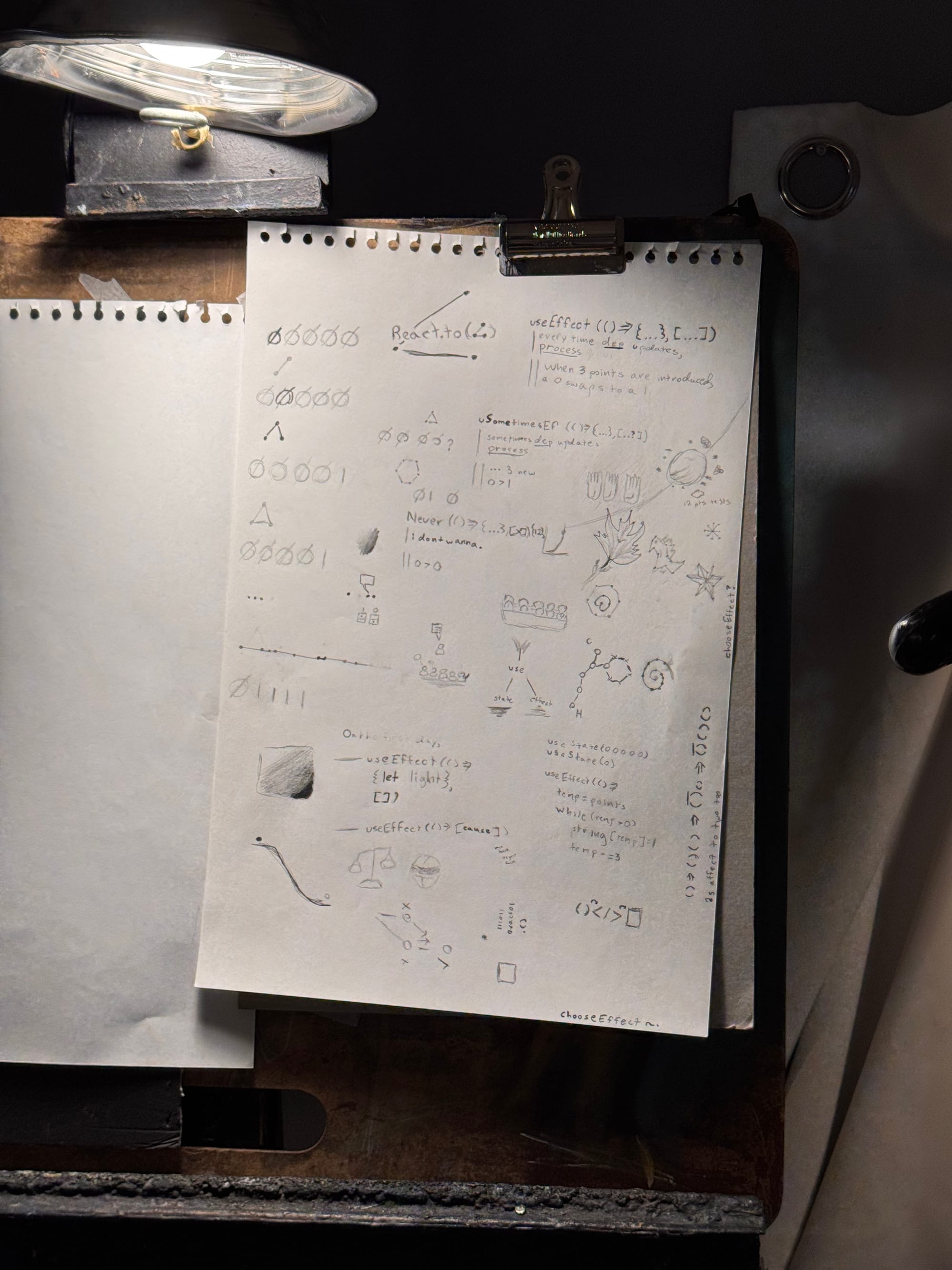
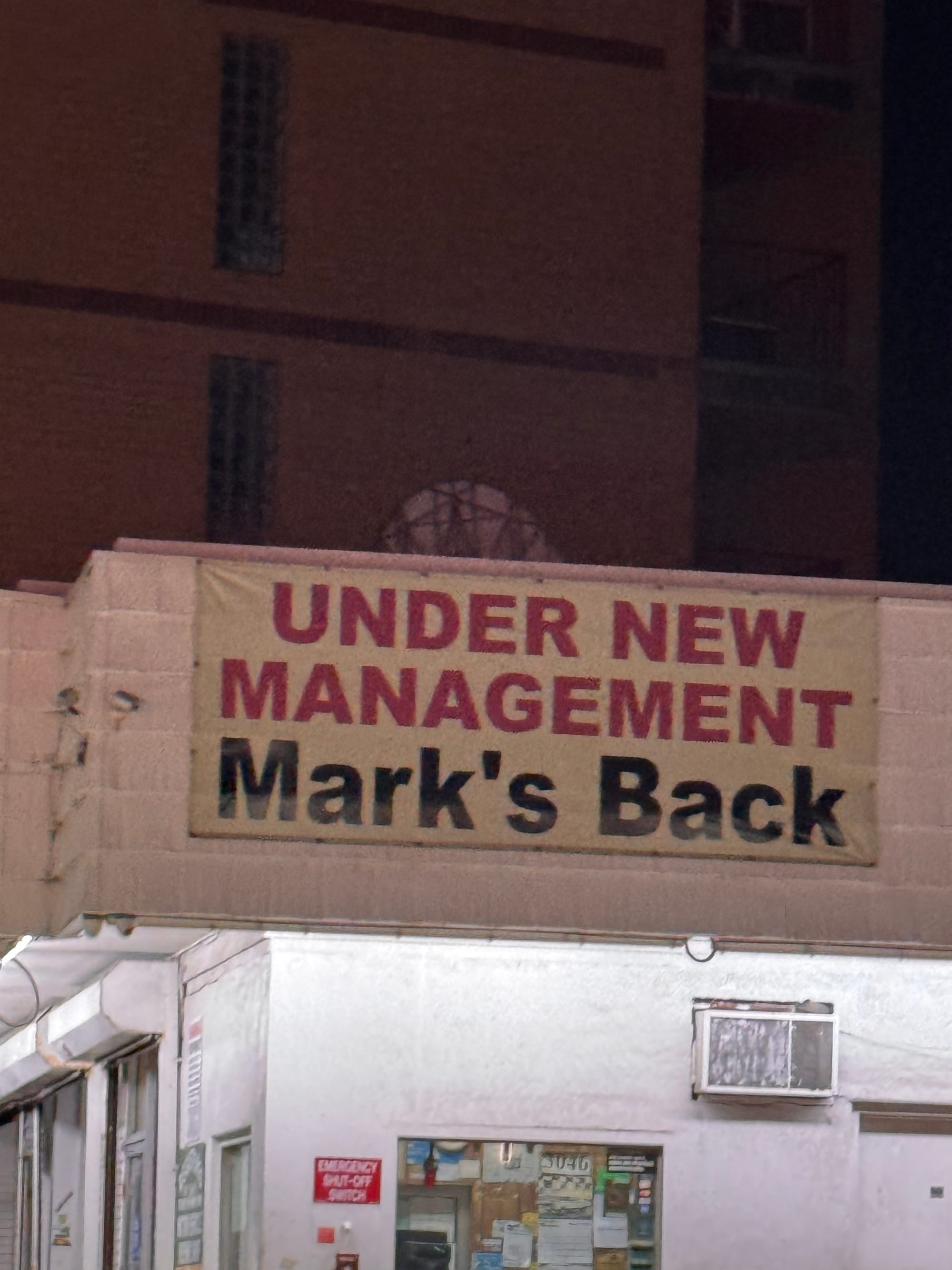
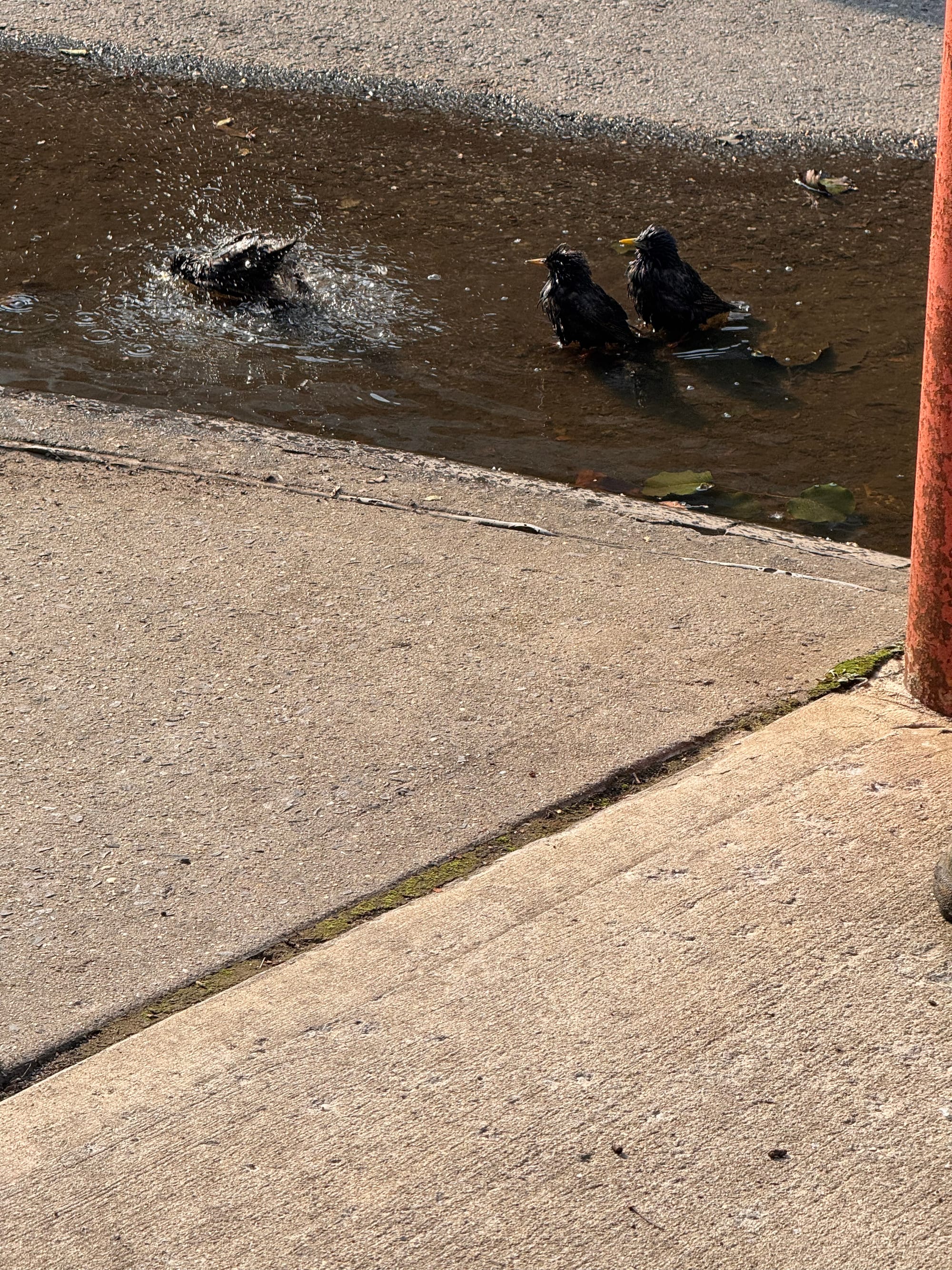
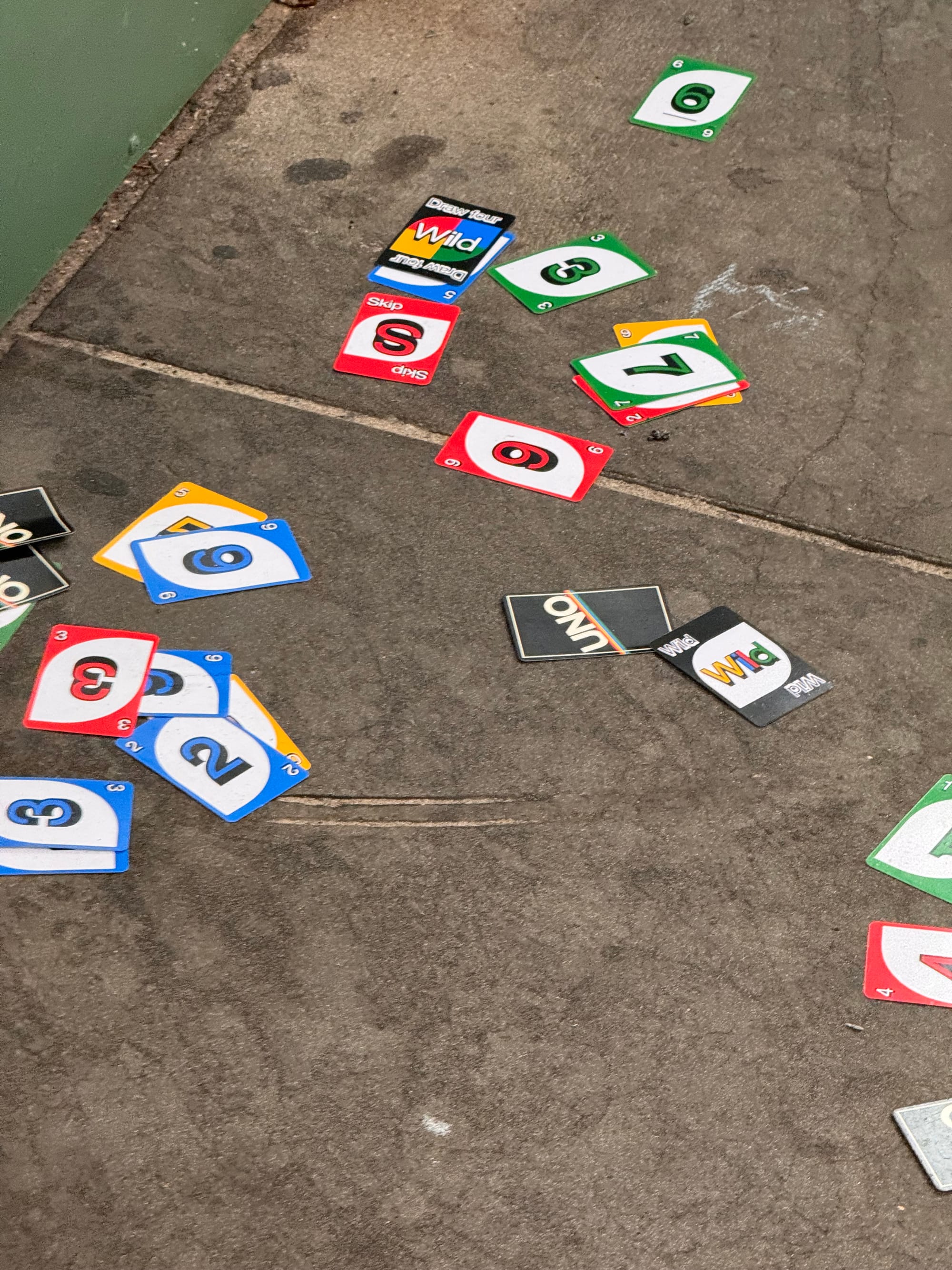
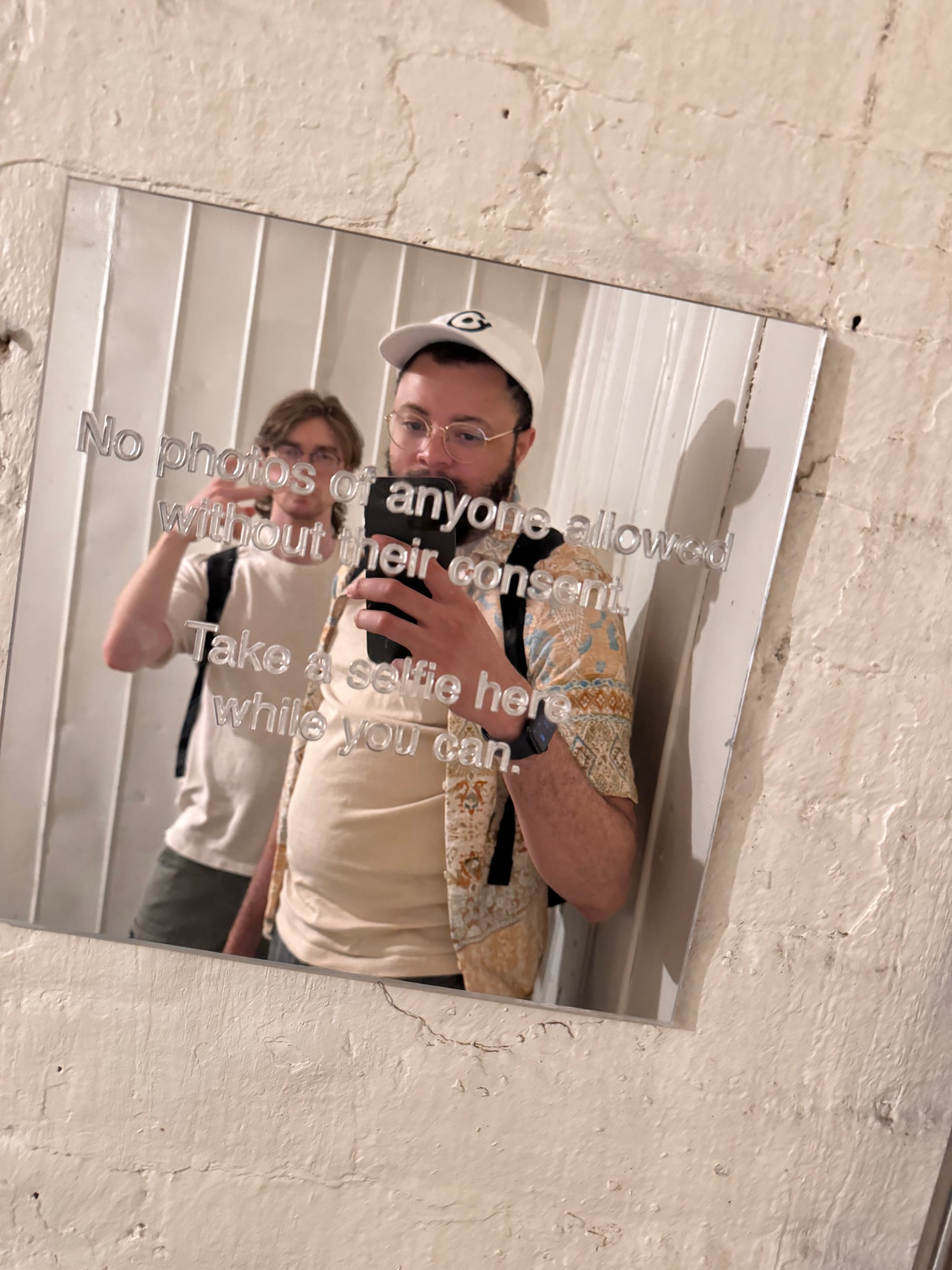
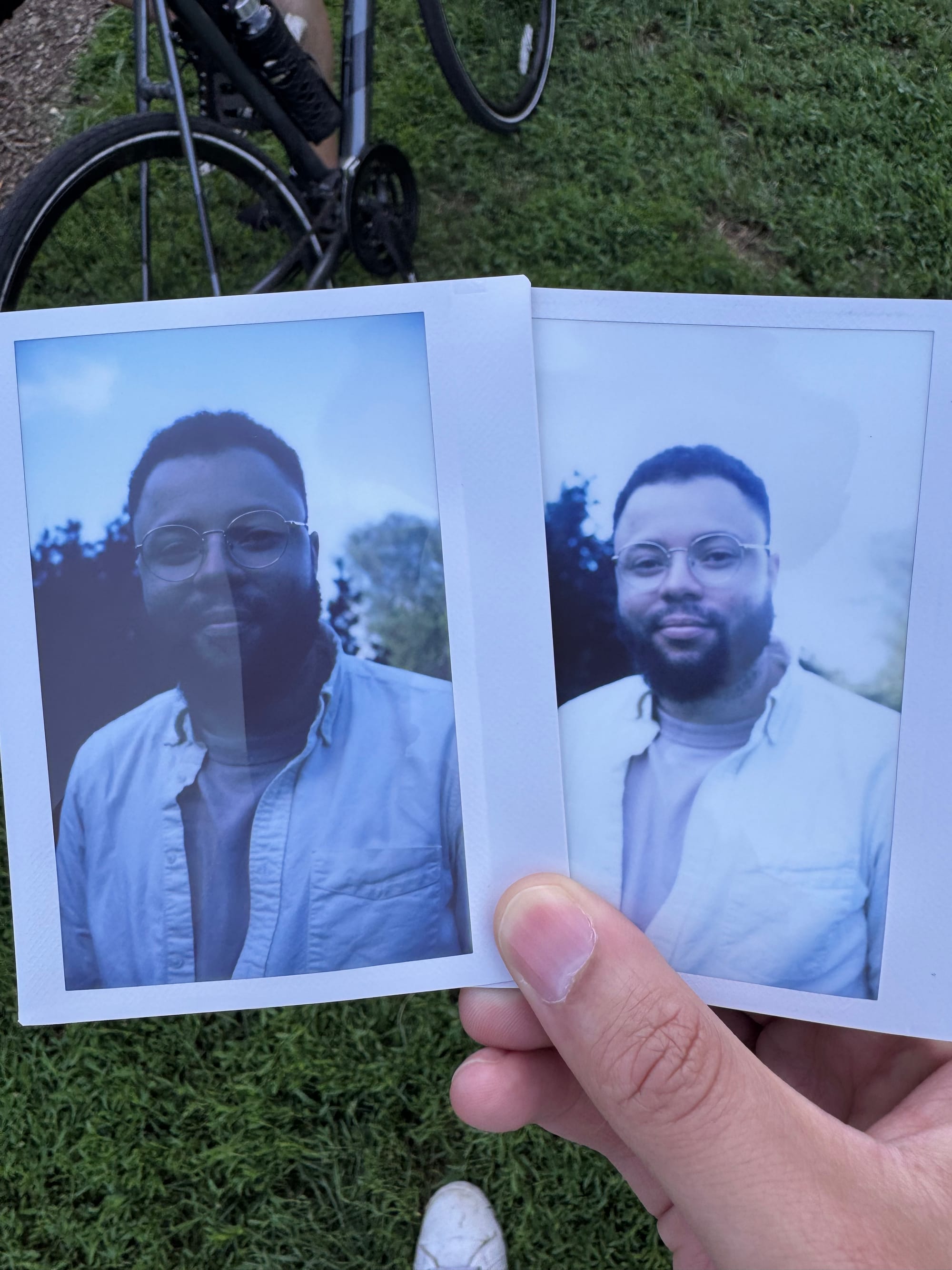
2025 in Pictures




















See you in 2026. Feel free to share this post, and subscribe if you haven't!