I Made a Reading App (+ February Reads)
Download Bram's Reading App on the App Store!
Bram's Reading App is a question and annotation driven reading software. I built it with the following in mind:
- Why are you reading the book you chose? Write your questions down in a place where you can easily access them. Don't bother reading a book end to end if you have sated your curiosity. Move on.
- Annotations do not exist in isolation, you should centralize your marginalia into a place where they can interact. A commonplace book or commonbase is a good place to start.
- Parallel Reading (reading multiple books at the same time) opens the door to discursive reading, a necessary skill in becoming well read.
- Other features that don't fit cleanly into the above framework: tactile scroll wheel for book progress, configurable per book notifications, test your comprehension quizzes, annotation poetry...
If you want to become more serious about your reading, download Bram's Reading App.
 Bram Adams
And speaking of reading, here are the books I read in Feburary!
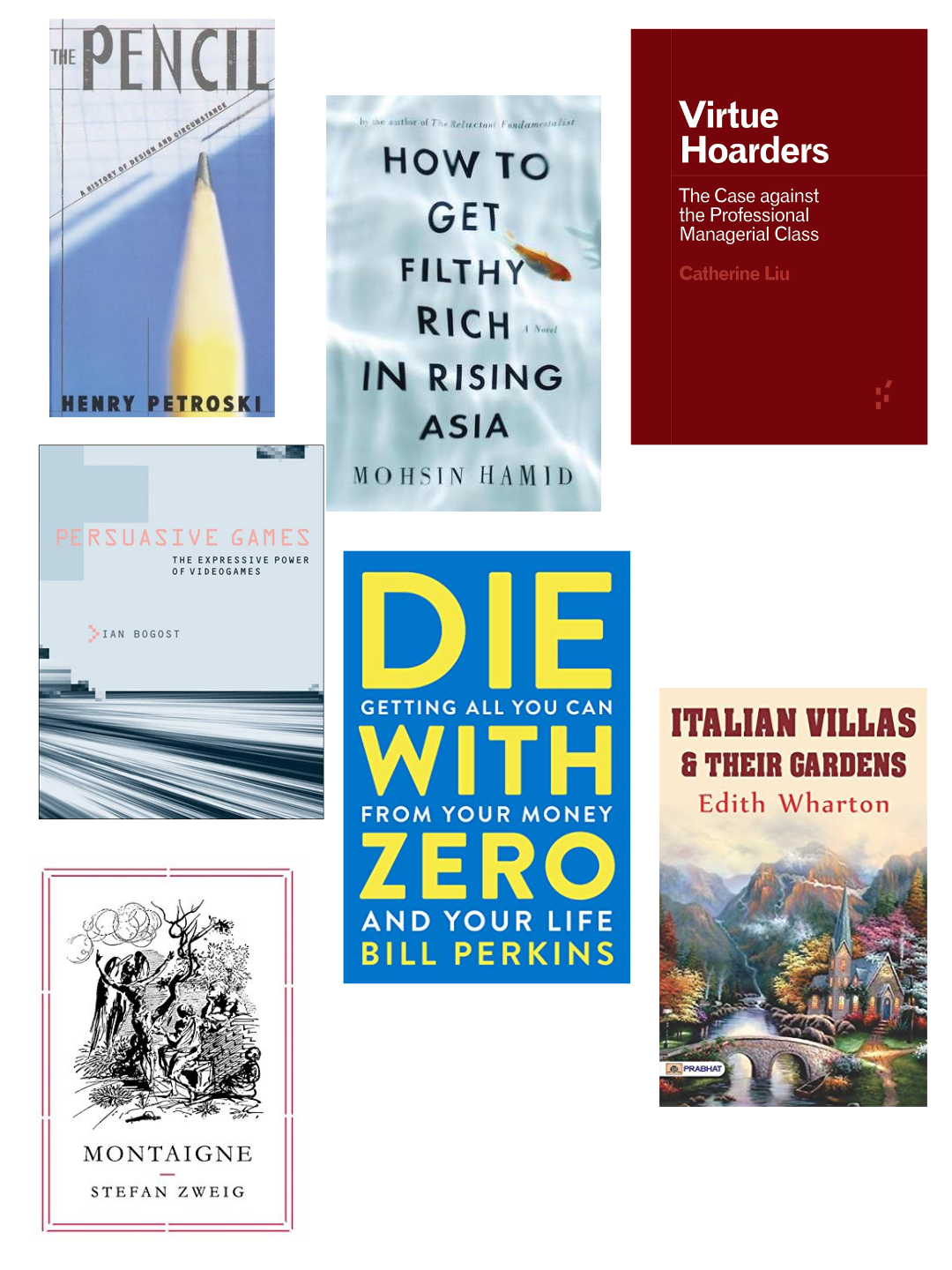
The Pencil by Henry Petroski
Because of modern convenience, we take for granted the history and complexity of the "simple items".
This world we live in is filled with design, with precision choices engineers made. Petroski reveals those choices, decade by decade, over the centuries of the pencil trade.
How to Get Filthy Rich in Rising Asia by Mohsin Hamid
Not much about getting rich in this book, but a tapestry of relationships. And a surprising amount of sex.
The main character is the evolving Asia. You just live in it!
Virtue Hoarders by Catherine Liu
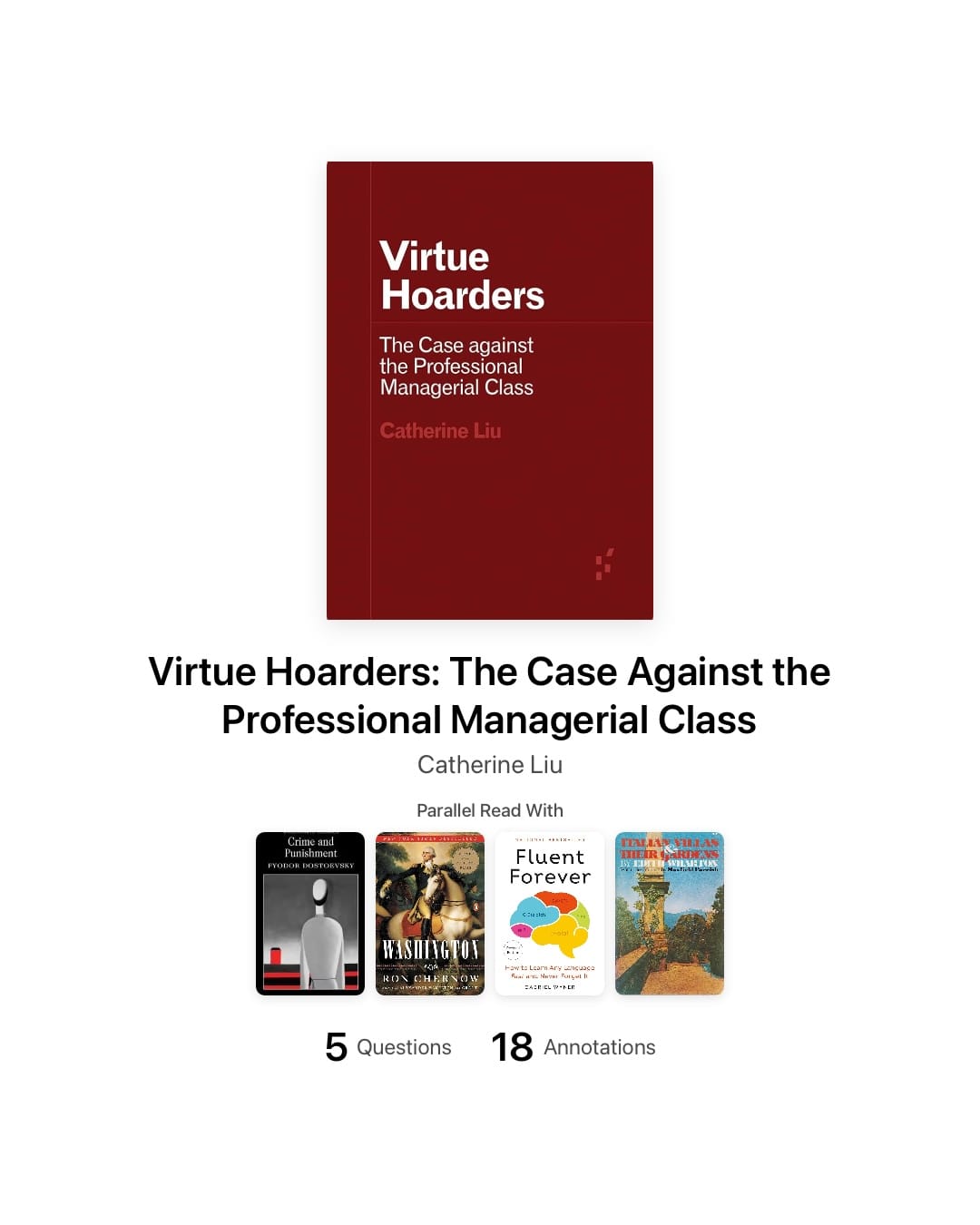
What if America isn't destroyed all at once by its leaders, but a slow death from a bureaucrat leftist middle class that uses virtue signaling to cover their sins of capital accretion? This book truly hates itself, but it's short.
Persuasive Games by Ian Bogost
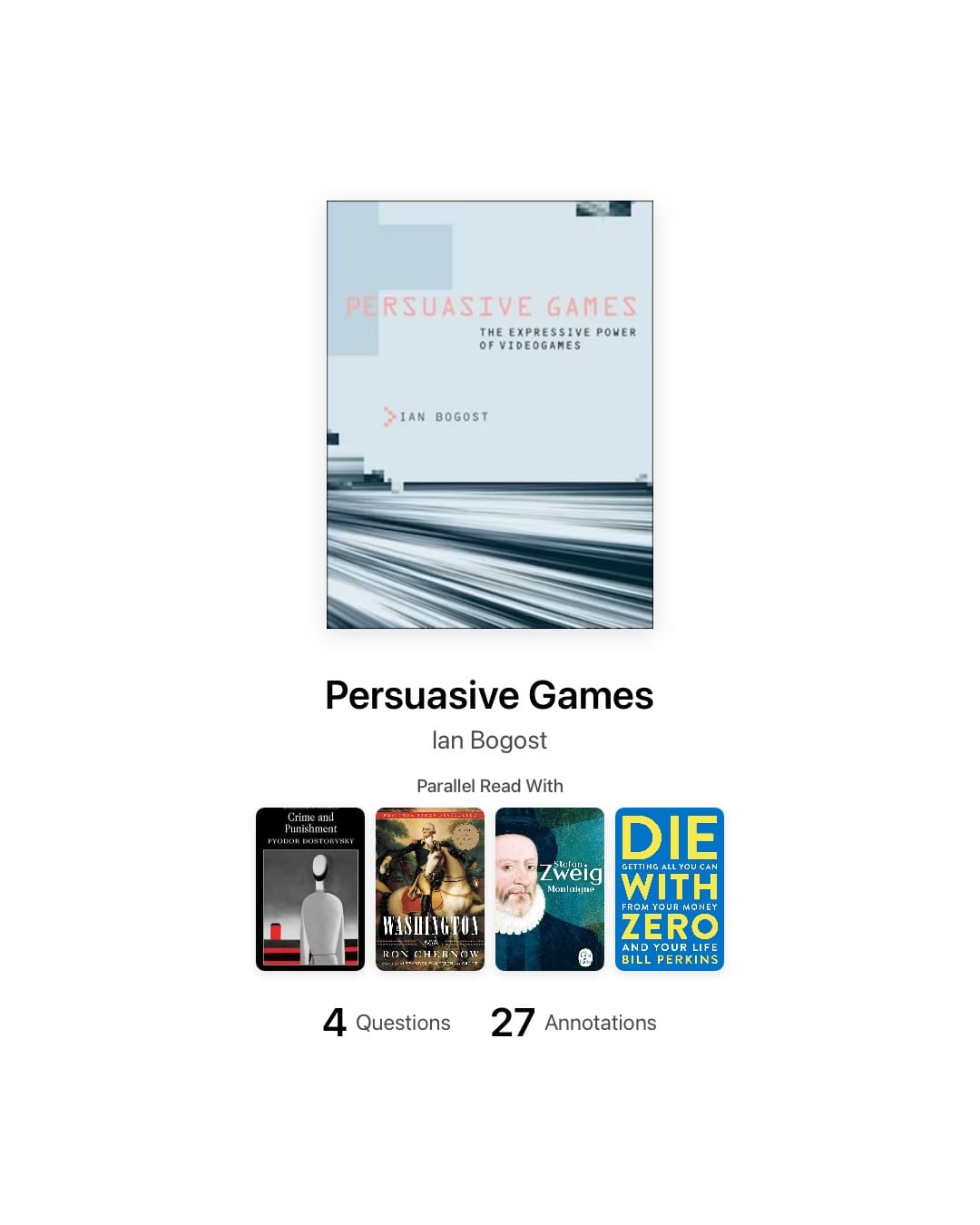
They always ask, do you have games on your phone, not why do you have games on your phone.
The 2000's era was actually a golden age of gaming, not simply because of the technology available at the time, but because the economics of loot boxes hadn't been figured out yet.
The Wii, the Kinect, etc. were killed off by Gacha mechanics and paid skins. The games I see out there now don't say much, and they don't do much either.
See you at the next Zelda release, I guess.
Die With Zero by Bill Perkins
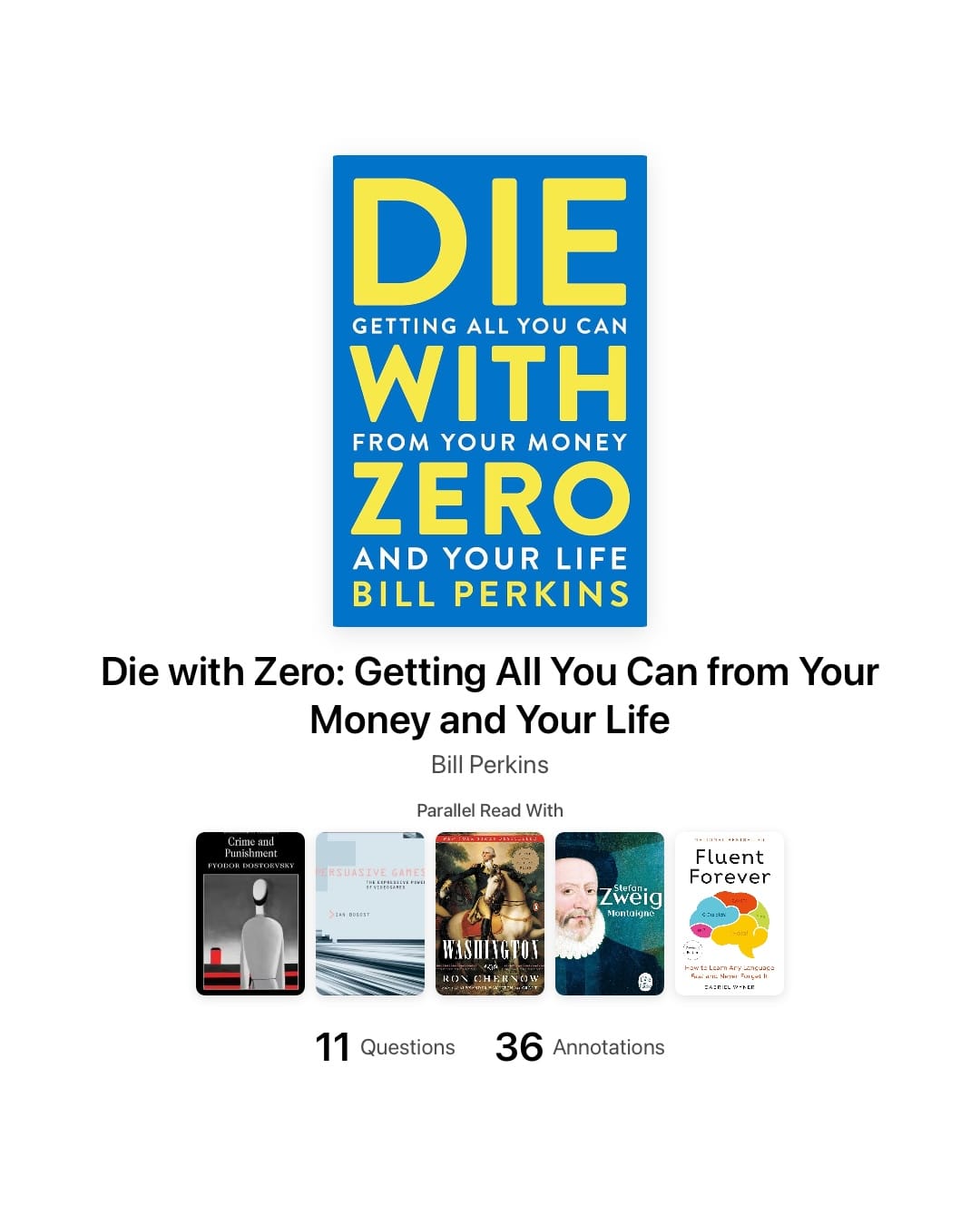
We all want to get rich, but we should all want to be poor at the end too.
Money as a resource doesn't make sense to hoard, because you (yes, you) have a shorter shelf life than your dollars. Use the milk before you finish the cereal.
Kairos for capital.
Montaigne by Stefan Zweig
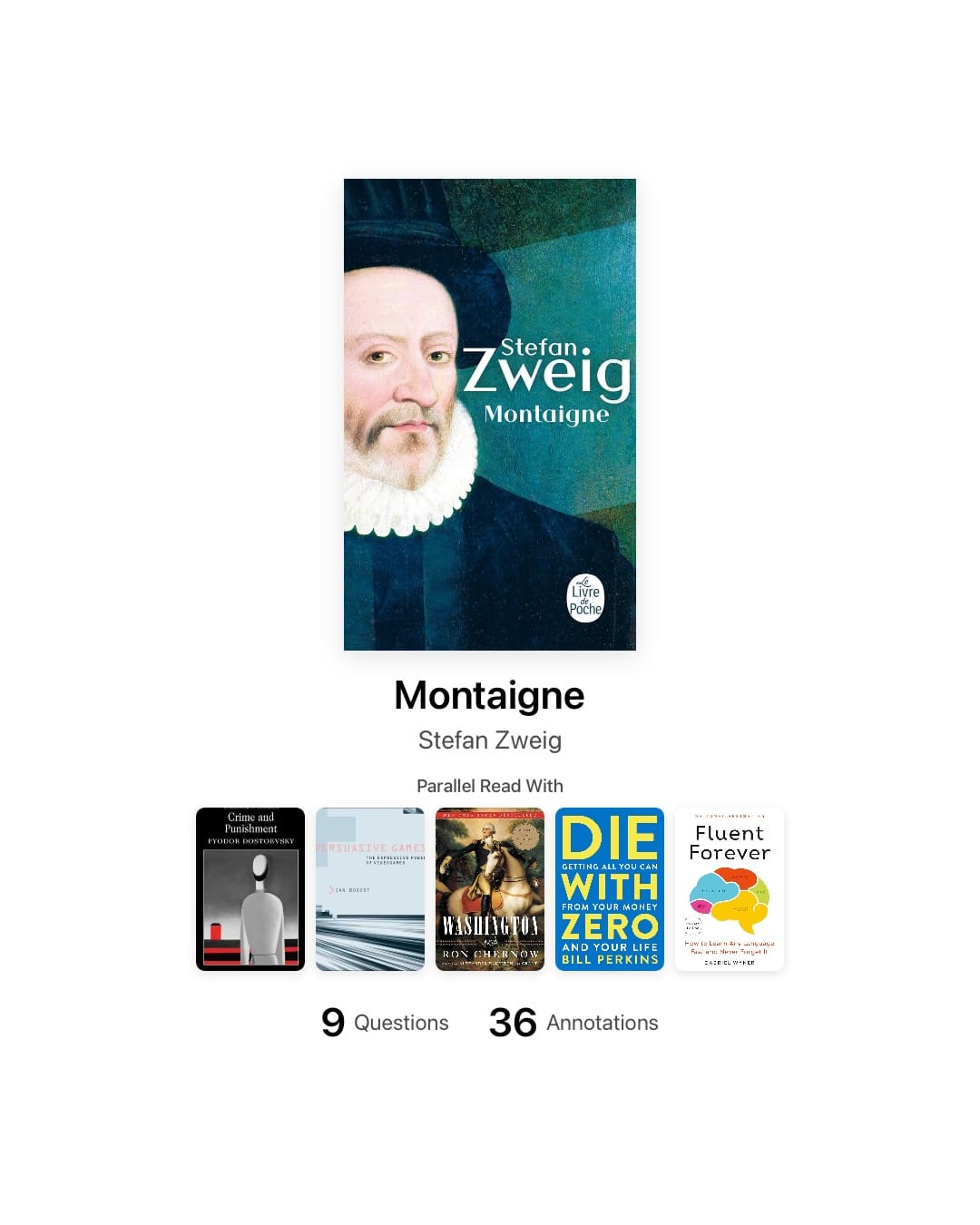
I'd like to hang out with Montaigne, he seems like a cool dude.
This book was helpful for me to let go of the conflict of maintaining book memories, and becoming more at peace with studying because it is simply the right thing to do.
Don't be a hero, don't be Diogones, don't seek an answer, but be brave enough to ask the question of knowing yourself.
Italian Villas and Their Gardens by Edith Wharton
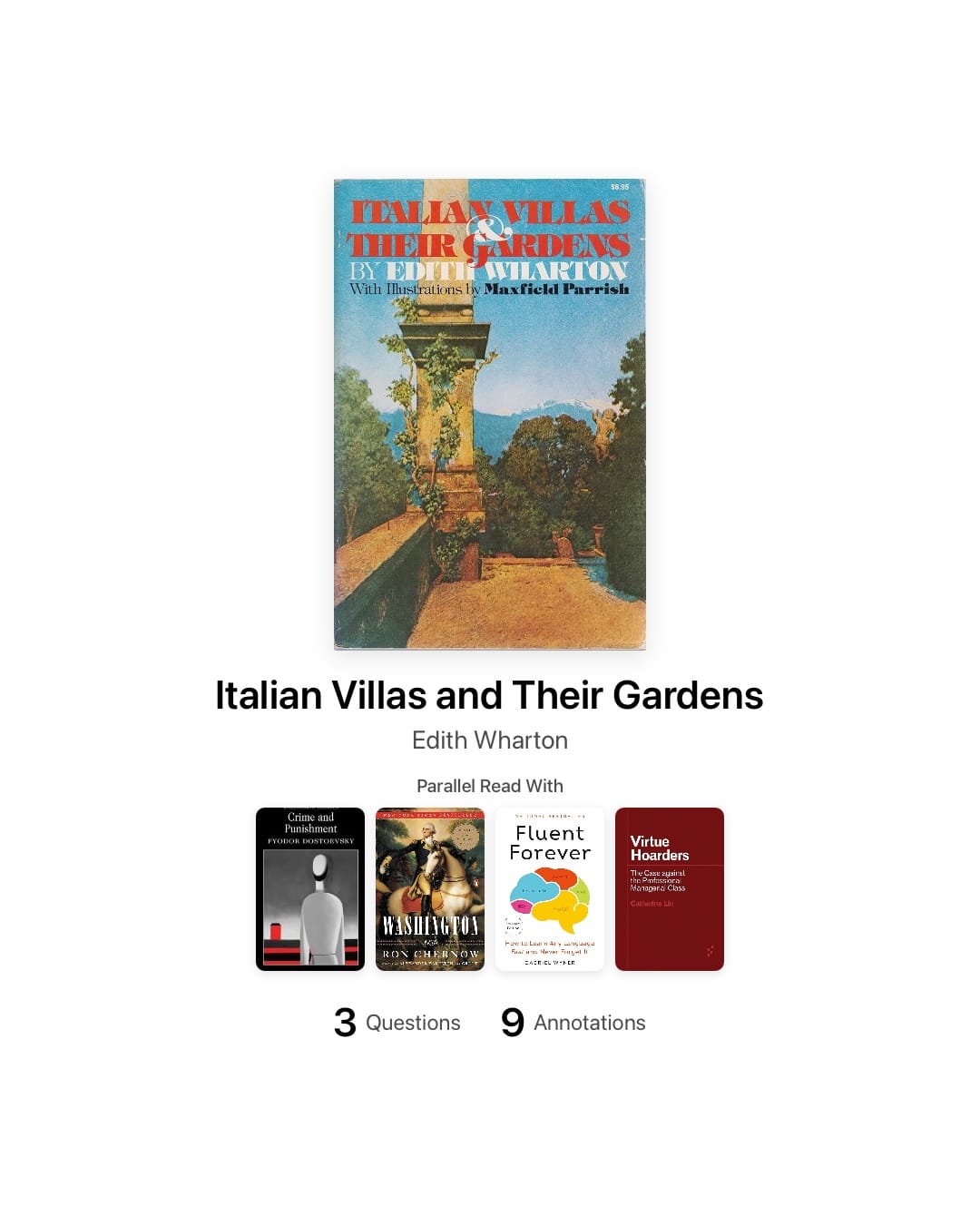
I hoped to like this book more than I did. Gardens is one of my all time favorite books, because it blended philosophy of being a human with an analogy of horticulture so well. This book described in intimate (and repetitive) detail the reasoning behind shirtless statues along cypress avenues that you might find outside of Florence.
Pretty interesting historical connection to the Medici family and the artists of the High Renaissance, though.